
The 1970s were a defining era for Millwall Football Club, encapsulating a period of change and promise that would shape the future of The Lions. Following a challenging time in the late 1960s, the club began to find its feet again, attracting a wave of talented players that would reinvigorate the squad and the fanbase alike.
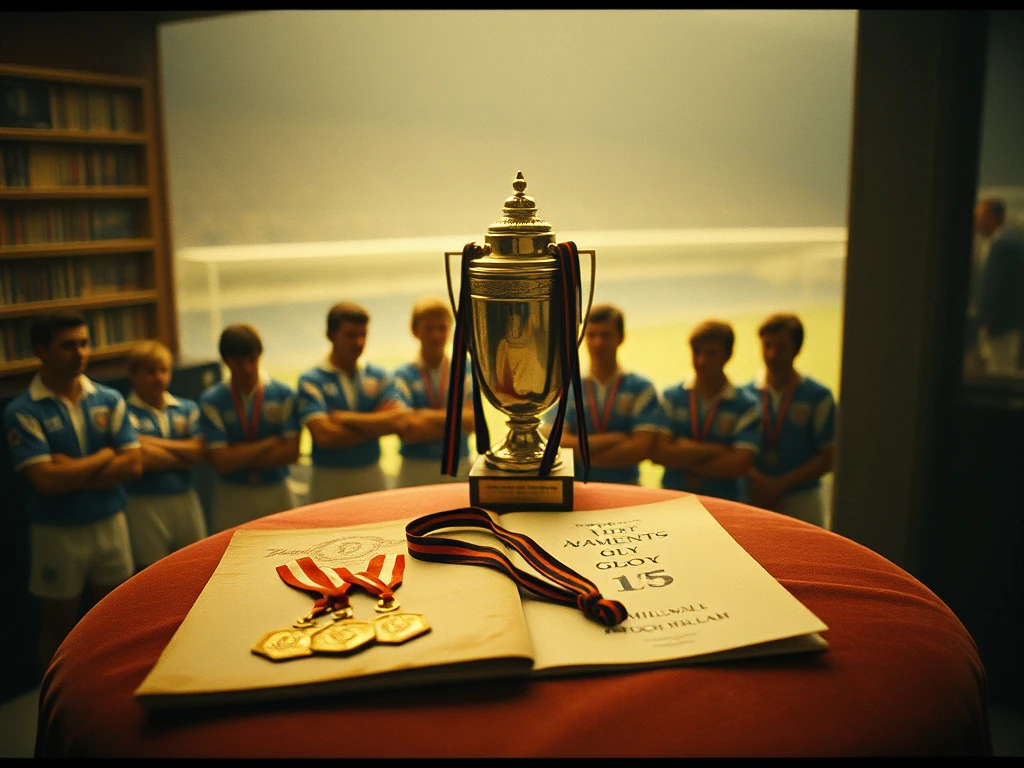
One of the most notable moments came in 1972, when Millwall achieved promotion to the Second Division after finishing as champions of the Third Division. This achievement was not merely about climbing the league ladder; it represented a shift in the identity of the club, as a new generation of supporters began to flock to The Den, eager to witness the resurgence of their beloved team.
The squad was bolstered by a number of key signings, including the influential winger, Alan Dunne, whose pace and creativity on the flank became a hallmark of Millwall's attacking play. Alongside him, players like striker Barry Kitchener and midfielder Billy Bonds provided the backbone for a side that was not only competitive but also exciting to watch. Their efforts were instrumental in re-establishing Millwall as a force within English football.
As the 1970s progressed, the club's ambition continued to grow. Millwall's spirited performances earned them respect across the league, culminating in a memorable FA Cup run that brought them into the national spotlight. The Lions reached the quarter-finals of the tournament in 1975, defeating several higher-division teams along the way and capturing the hearts of fans with their tenacity and fighting spirit.
The rivalry with West Ham United also intensified during this period, as both clubs sought to assert their dominance in London football. Matches against the Hammers became electric occasions, with The Den often erupting in passionate support. These encounters not only added spice to the season but also solidified Millwall's reputation as a club that would never back down from a challenge.
However, it wasn't just the performances on the pitch that characterized this decade. The culture and atmosphere surrounding Millwall began to evolve, as supporters embraced their identity as the underdogs, fiercely loyal and proud of their club's heritage. The grit and determination displayed by the players resonated deeply with the fans, creating an unbreakable bond that would carry forward into the future.
By the end of the 1970s, Millwall had firmly established itself in the Second Division, setting the stage for further growth in the years to come. The foundations laid during this era would prove vital as the club aimed for greater heights, culminating in their iconic FA Cup Final appearance in 1985. The revival of Millwall in the 1970s was not only a blip on the radar; it was the beginning of a legacy that would inspire generations of Lions supporters.
As we reflect on this key decade, it’s clear that the successes of the 1970s remain an integral part of Millwall's rich history. The spirit of those years continues to influence the club today, reminding us all that the heart of The Lions beats strongest in the face of adversity.