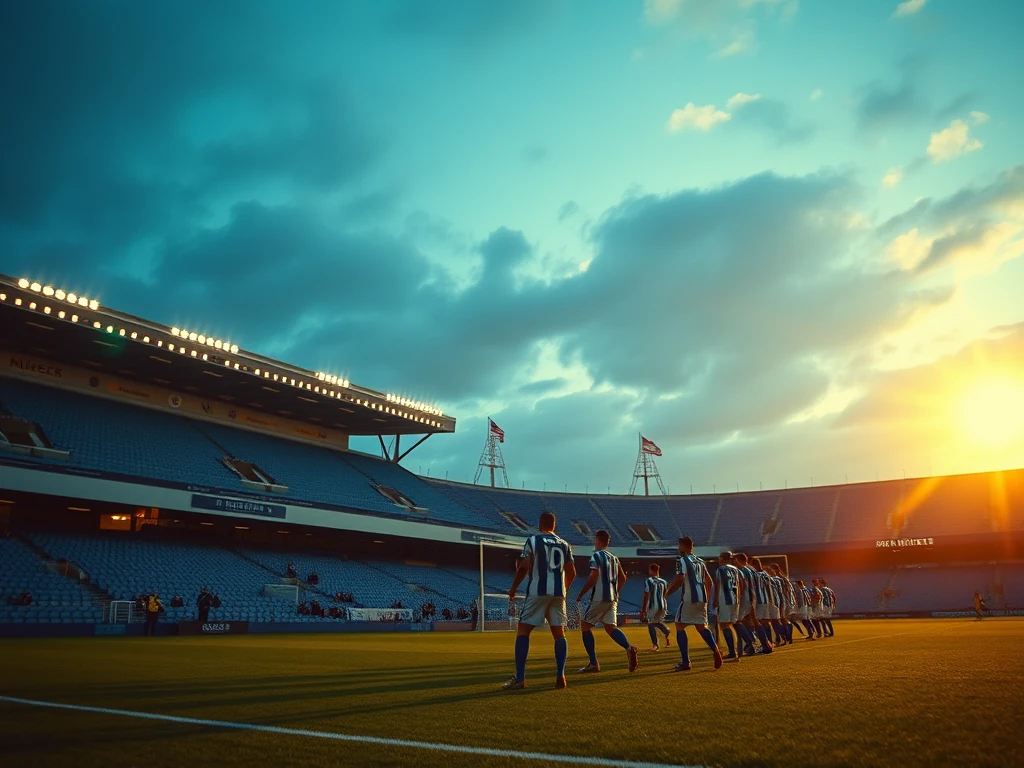

The 1990s were a major decade for Millwall Football Club, a period that would redefine the identity of the Lions and set the stage for their future. Following a turbulent late 1980s, which included the club's relegation to the Third Division in 1988, Millwall began to rebuild, and their resurgence through the 1990s became a symbol of resilience and determination.
Under the management of the seasoned and charismatic John Docherty, Millwall started to find its footing again. The club's revival was marked by a series of strategic signings, notably the likes of Paul McCarthy and the explosive forward, Neil Harris, who would later become a club legend. The arrival of these players injected both skill and spirit into the squad, creating a team that was not only competitive but also entertaining to watch.
The highlight of this decade came in 1990 when Millwall made a remarkable run in the FA Cup, reaching the semi-finals. Although the Lions fell short against the eventual winners, this performance captured the imagination of supporters and reignited the club’s passion for cup competitions. The stellar performances during this campaign showed the grit and determination that Millwall fans had come to expect from their team.
By 1996, Millwall had captured the attention of the footballing world once again, finishing the season in an impressive fifth place in the First Division. This was a significant leap, considering the club's struggles just a few years earlier. The men at The Den began to believe that they could not only compete in the second tier but also challenge for promotion to the Premier League.
The Lions' ambitions were realized in 2001 when they achieved promotion to the Premier League, but it was the groundwork laid in the 1990s that truly set the stage for this success. The club's revival was not purely about results; it was about rebuilding a community. Millwall's loyal fanbase rallied behind the team, filling the stands at The Den and creating an atmosphere that was both intimidating for opponents and galvanizing for the players.
Millwall's identity began to evolve during this time as well, with the club's fierce reputation reflecting the unwavering spirit of its supporters. The notorious 'Millwall spirit' became part of the club’s DNA, instilling a sense of pride and determination that would carry on through the years. The fans, known for their loyalty and passion, became an essential part of the club's resurgence, standing by their team through thick and thin.
As the decade came to a close, Millwall had firmly established itself as a force to be reckoned with in English football. The success of the 1990s laid the groundwork for a new era, showing that with perseverance and a steadfast commitment to their community, the Lions could reclaim their place in the football hierarchy. This period of resurgence was not only about the football; it was about reigniting a legacy and forging a path forward for future generations of Millwall supporters.
Reflecting on those years, it’s evident that the 1990s were a key chapter in Millwall's storied history. The club transformed from a side battling relegation to one with aspirations of grandeur, all while cultivating a unique identity that remains integral to the Millwall ethos today.